Bar and cafe design shapes so much more than you might expect. Everyone talks about stylish tiles or quirky chairs, but the real transformation comes from the atmosphere beneath the surface. Some sustainable hospitality spaces cut their carbon emissions by up to 40 percent, and that is only the start of what modern design can do for both customer senses and the planet.
Table of contents
- Exploring The Essence Of Bar And Cafe Design
- The Importance Of Atmosphere In Hospitality Spaces
- Key Design Elements Shaping 2025 Trends
- Sustainable Practices In Bar And Cafe Design
- The Role Of Technology In Modern Bar And Cafe Environments
Quick summary
| Takeaway | Explanation |
|---|---|
| Design fosters customer connections | Thoughtful design creates emotional engagement, enhancing customer satisfaction and loyalty. |
| Integrate technology seamlessly | Modern environments benefit from digital solutions that improve efficiency and enhance customer experience. |
| Prioritise sustainability in design | Sustainable materials and practices are crucial for appealing to environmentally conscious consumers. |
| Holistic atmosphere matters | A well-designed atmosphere affects customer mood and perception, influencing their overall experience. |
| Embrace innovative aesthetics | Modern designs push boundaries, creating unique environments that resonate with contemporary consumer expectations. |
Exploring the essence of bar and cafe design
Bar and cafe design represents a sophisticated interplay between aesthetic appeal, functional efficiency, and customer experience. At its core, design goes beyond mere visual arrangement, transforming physical spaces into immersive environments that communicate brand identity and emotional narrative.
The philosophy of spatial design
Designing a bar or cafe involves understanding how physical elements interact to create sensory experiences. Spatial configuration plays a critical role in determining customer flow, comfort, and overall interaction within the environment. Architects and designers consider multiple dimensions when crafting these spaces:
- Ergonomic layout: Creating intuitive pathways and comfortable seating arrangements
- Visual hierarchy: Strategically positioning elements to guide customer attention
- Atmospheric considerations: Balancing lighting, acoustics, and spatial proportions
According to Architectural Digest, successful hospitality spaces are those that seamlessly blend form and function, creating environments that feel both intentional and inviting.
Narrative through design elements
Every design element tells a story. Material selection, colour palette, furniture style, and architectural details work together to communicate a specific mood or brand personality. Modern bar and cafe designs are moving beyond traditional approaches, embracing experimental aesthetics that challenge conventional boundaries.
Designers now approach these spaces as holistic sensory experiences, integrating technological innovations with traditional craftsmanship. This approach allows establishments to create unique, memorable environments that resonate with contemporary consumer expectations.
For those looking to dive deeper into optimising restaurant spaces, our guide on restaurant floor plan strategies offers comprehensive insights into creating dynamic, efficient hospitality environments.
The importance of atmosphere in hospitality spaces
Atmosphere in hospitality spaces transcends mere physical design, representing a sophisticated psychological and emotional landscape that profoundly influences customer perception and experience. The intangible qualities of a space can dramatically transform how patrons feel, interact, and ultimately remember their time within a bar or cafe.
Psychological dimensions of spatial perception
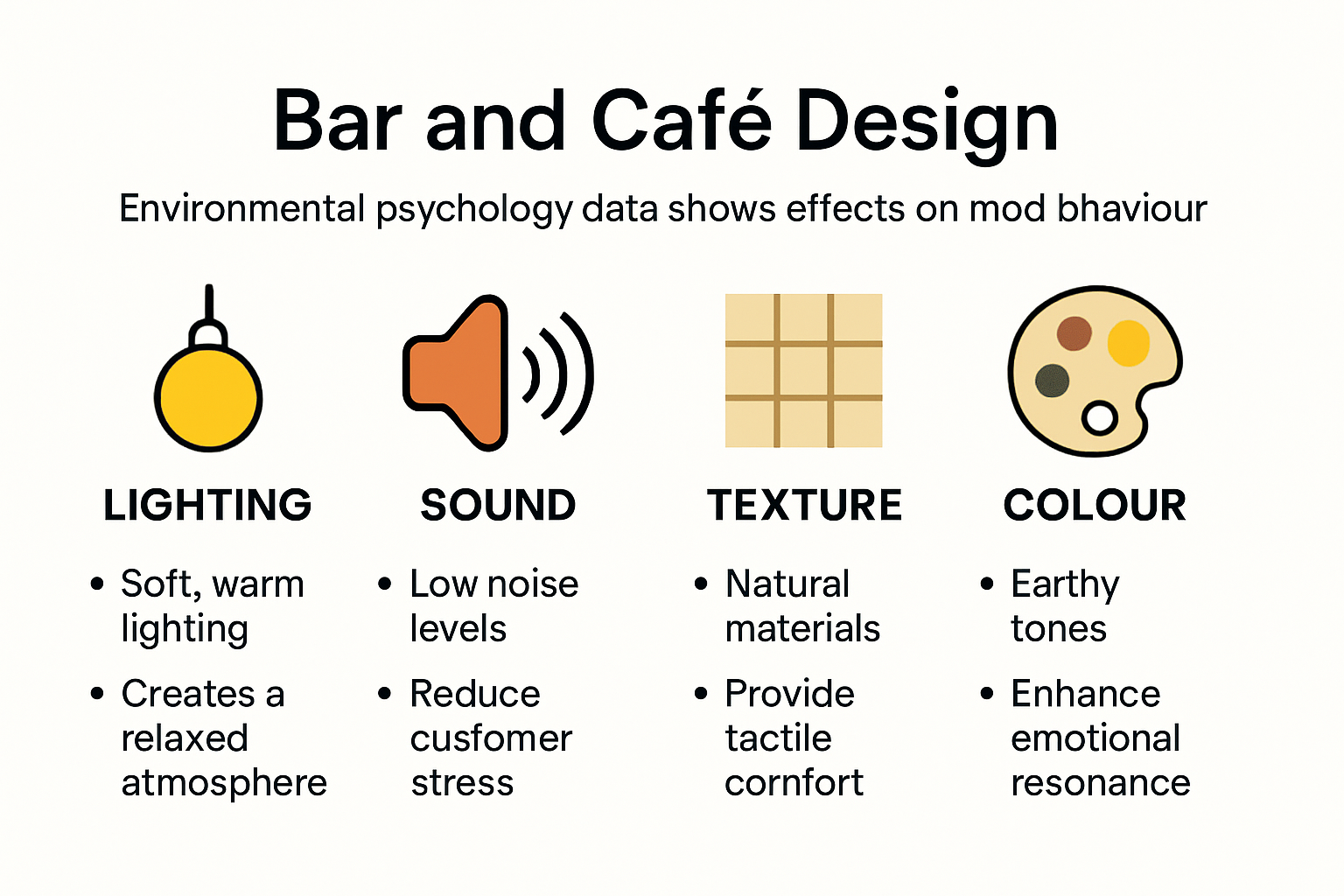
Sensory interactions play a critical role in shaping atmospheric experiences. Each environmental element contributes to a complex narrative that communicates comfort, excitement, sophistication, or intimacy. Designers strategically manipulate multiple sensory channels to evoke specific emotional responses:
- Visual stimuli: Colour palettes, lighting intensity, architectural forms
The following table summarises the core atmospheric elements in hospitality design and how each one influences customer experience, aiding readers in seeing the distinct sensory factors at play.
| Sensory Element | Examples | Influence on customer experience |
|---|---|---|
| Visual stimuli | Colour palette, lighting, architectural forms | Sets mood, guides attention, affects comfort |
| Auditory elements | Background music, ambient sounds, acoustics | Shapes ambiance, enhances intimacy or excitement |
| Tactile experiences | Furniture textures, temperature, layout | Impacts physical comfort, creates lasting impressions |
- Auditory elements: Background music, ambient sounds, acoustic design
- Tactile experiences: Furniture textures, temperature, spatial comfort
According to environmental psychology research, specific environmental configurations can significantly influence human mood, perception, and behavioural patterns within hospitality environments.
Creating emotional resonance
Successful atmosphere design goes beyond aesthetic considerations, focusing on creating emotional connections with customers. Each design choice communicates a narrative about brand identity, cultural context, and intended customer experience. Modern hospitality spaces are moving towards more immersive, multisensory environments that engage customers on deeper psychological levels.
For those interested in understanding how colour can dramatically transform spatial perception, explore our guide on colour psychology in restaurant design to unlock powerful design strategies that enhance customer engagement and emotional connection.
Key design elements shaping 2025 trends
Bar and cafe design is rapidly evolving, driven by technological innovations, changing consumer preferences, and a renewed focus on sustainability and experiential environments. The design landscape for 2025 reflects a sophisticated understanding of how physical spaces can communicate brand identity, enhance customer experience, and adapt to emerging societal needs.
Technological integration and smart design
To help readers understand the key differences between sustainability and technology in shaping 2025 bar and cafe design trends, the table below compares their focus areas, main features, and impact on customer experience.
| Aspect | Sustainability and ethical design | Technological integration and smart design |
|---|---|---|
| Core focus | Eco-friendly materials, resource management | Digital capabilities, operational efficiency |
| Main features | Recycled/renewable materials, energy saving | Smart furniture, interactive surfaces, adaptive lighting |
| Operational Benefit | Reduced carbon emissions, waste minimisation | Enhanced customer service, increased efficiency |
| Customer Impact | Appeals to eco-conscious patrons | More interactive and convenient experience |
| 2025 Trend Direction | Regenerative, holistic, circular design | Seamless digital-physical integration |
Intelligent design solutions are transforming hospitality spaces, seamlessly blending digital capabilities with physical environments. Modern bars and cafes are increasingly incorporating technology that enhances both operational efficiency and customer interaction:
- Interactive surfaces: Digital menus, touchscreen ordering systems
- Adaptive lighting: Programmable colour schemes and intensity controls
- Smart furniture: Modular designs with integrated charging stations
According to Hospitality Technology Research, technological integration is no longer a luxury but a fundamental expectation for contemporary hospitality environments.
Sustainability and ethical design principles
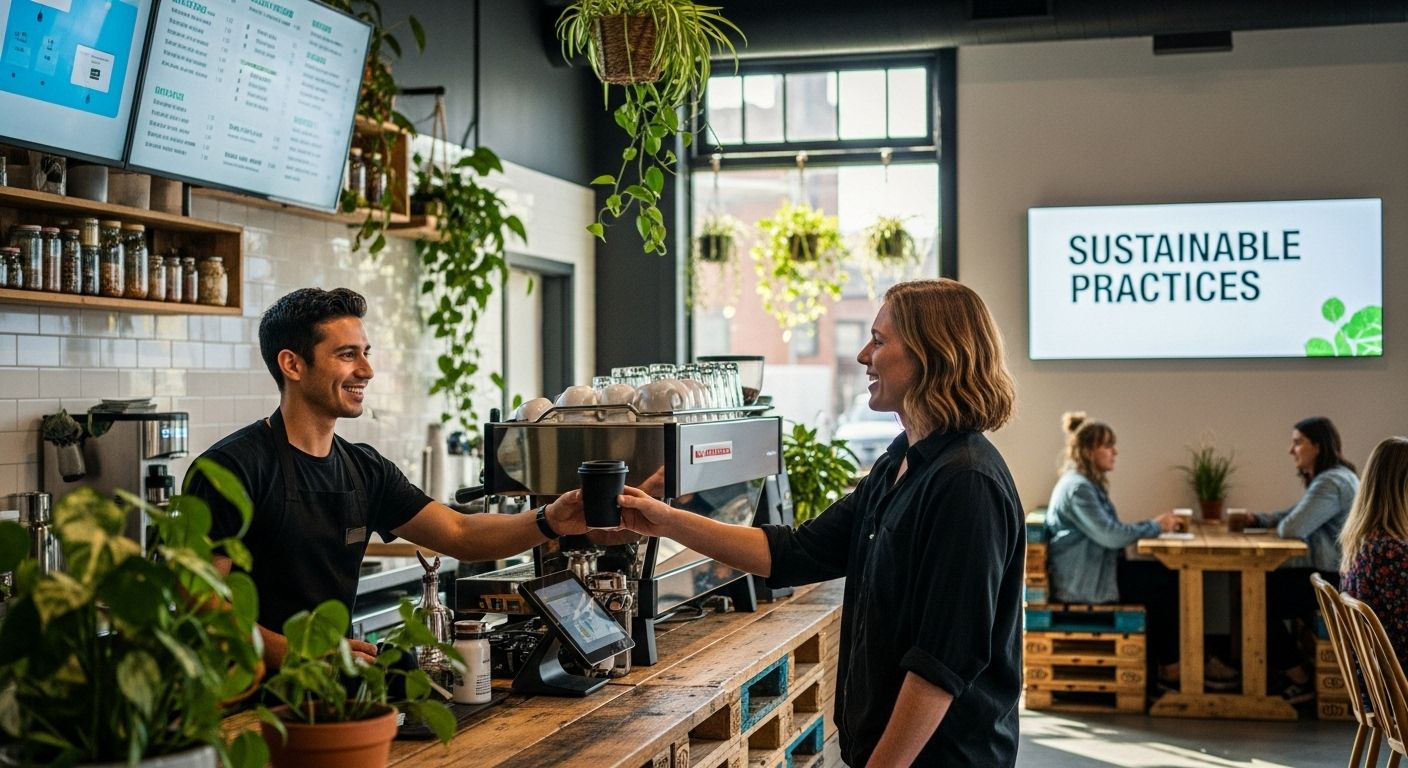
Environmental consciousness is driving significant shifts in design philosophy. Sustainable materials and eco-friendly design strategies are becoming central considerations for architects and designers. This approach goes beyond aesthetic choices, representing a commitment to responsible resource management and reduced environmental impact.
Designers are prioritising recyclable materials, energy efficient systems, and flexible spatial configurations that minimise waste and maximise functionality. The goal is creating spaces that are not just visually appealing, but also environmentally responsible.
For restaurant owners seeking to stay ahead of emerging trends, explore our insights on cutting-edge restaurant trends to understand how design innovation can transform your hospitality business.
Sustainable practices in bar and cafe design
Sustainability has transformed from a peripheral consideration to a fundamental design philosophy in contemporary hospitality spaces. Modern bars and cafes are increasingly recognising their environmental responsibilities, integrating ecological consciousness into every aspect of spatial design and operational strategy.
Holistic environmental approach
Sustainable design encompasses far more than material selection. It represents a comprehensive strategy that addresses environmental impact across multiple dimensions of hospitality establishment operations. Designers are developing innovative approaches that minimise ecological footprints while maintaining aesthetic excellence:
- Material selection: Recycled, renewable, and locally sourced materials
- Energy efficiency: Solar integration, LED lighting, smart temperature controls
- Waste reduction: Minimal packaging, composting systems, circular design principles
According to Environmental Design Research Association, comprehensive sustainability strategies can reduce operational carbon emissions by up to 40% in hospitality environments.
Circular design and resource management
Circular design principles are revolutionising how bars and cafes conceptualise their physical spaces and operational systems. Regenerative design moves beyond traditional sustainability models, focusing on creating environments that actively contribute to ecological restoration rather than merely minimising negative impacts.
This approach involves designing flexible, adaptable spaces that can be easily reconfigured, repurposed, or dismantled with minimal waste. Furniture made from biodegradable materials, modular architectural elements, and systems that prioritise material reuse are becoming standard practice.
For restaurateurs seeking practical guidance on implementing sustainable practices, discover our comprehensive sustainability strategies to transform your establishment into an eco-friendly hospitality destination.
The role of technology in modern bar and cafe environments
Technology has become an integral component of contemporary hospitality design, transforming traditional bar and cafe spaces into intelligent, responsive environments that seamlessly blend digital innovation with physical experience. These technological interventions are not merely aesthetic additions but fundamental redesigns of how hospitality spaces function and interact with customers.
Digital infrastructure and customer experience
Intelligent design systems are revolutionising how bars and cafes operate, creating multilayered interactive experiences that extend far beyond traditional service models. Modern establishments are implementing sophisticated technological solutions that enhance operational efficiency and customer engagement:
- Smart ordering systems: Touchscreen interfaces, mobile app integrations
- Personalised customer interactions: AI driven recommendation engines
- Real time space management: Dynamic seating arrangements, occupancy tracking
According to Digital Hospitality Trends Report, responsive digital design is becoming crucial for establishments seeking to remain competitive in an increasingly technology driven marketplace.
Integrated technological ecosystems
Technology in bar and cafe environments is evolving from isolated solutions to comprehensive, interconnected ecosystems. Networked design approaches are creating environments where physical and digital experiences are seamlessly integrated, allowing for unprecedented levels of personalisation and operational efficiency.
These technological infrastructures enable real time data collection, predictive analytics, and adaptive service models that can dynamically adjust to customer preferences and operational requirements. The goal is creating spaces that are not just technologically advanced, but genuinely responsive and intelligent.
For restaurant owners looking to understand the latest technological innovations, explore our comprehensive technology trend insights to transform your hospitality business.
Transform your bar or cafe for 2025 — blend design trends with seamless reservation management
The article highlights the importance of integrating sophisticated spatial design, technology, and atmosphere in shaping the next generation of bars and cafes. Yet even with cutting-edge interiors and immersive environments, many establishments struggle with operational pain points such as streamlining booking, real-time guest management, and reducing no-shows—all of which are critical for creating the flawless experiences that today’s customers expect.
With Tableo, you can extend your design vision into every aspect of your hospitality offering. Our platform empowers you to align your new digital floor plans and guest flows with intuitive online reservation tools and integrated payment solutions. These features ensure your innovative spaces remain as operationally effective as they are visually engaging, while keeping your team focused on delivering exceptional service.
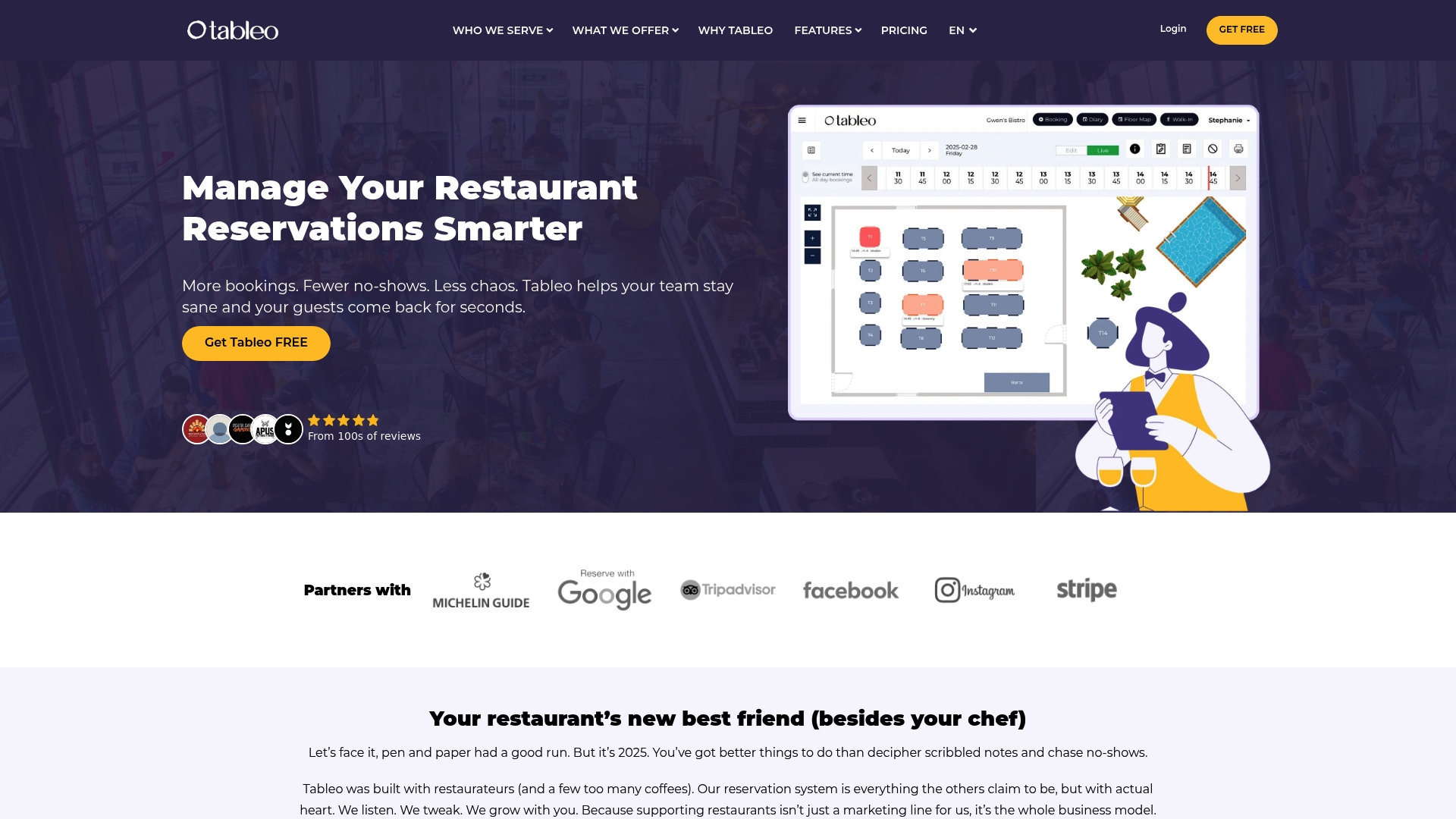
Take your bar or cafe from trend-driven concept to thriving reality. Equip yourself with smart reservation management, guest profile insights, and automated reminders by exploring Tableo’s full feature set today. Don’t let operational inefficiencies undermine your design investment—schedule a free demo now and see how Tableo can help you achieve a seamless guest experience in line with 2025’s design trends.
Frequently asked questions
What are the key design elements influencing bar and cafe trends for 2025?
Key design elements include technological integration, sustainability practices, emotional resonance in design, and the use of interactive elements to enhance customer engagement.
How can technology enhance the customer experience in bars and cafes?
Technology enhances customer experience through smart ordering systems, personalised interactions using AI, and real-time space management, creating a more efficient and engaging environment.
What role does sustainability play in modern bar and cafe design?
Sustainability is central to modern design, focusing on the use of eco-friendly materials, energy efficiency, and waste reduction strategies to create environmentally responsible hospitality spaces.
How does atmosphere impact customer perception in bars and cafes?
Atmosphere significantly influences customer perception by creating emotional connections through sensory elements like lighting, sound, and spatial awareness, ultimately affecting their overall experience.
Recommended
- Bar Design Tips for Restaurants – Best Practices
- Restaurant Floor Plan Design: Essential Strategies for 2025 | Tableo
- Uncharted Restaurant Trends of 2024 for Savvy Owners
- Summer Terrace Decor Ideas for Restaurants – Tableo
- Shop Graphics Inspiration Ideas for 2025: London Guide – PromoSigns.co.uk
- Bar Signs London | Cafe Signs & Signage UK | PromoSigns.co.uk

